


Abholung


Rückkehr
🎁 Benutze den Code WELCOME3 während des Bestellvorgangs, um Rabatt auf deine erste Buchung bei uns zu erhalten. Viel Spaß! ☀️

Mietwagen in Istanbul spielen nach eigenen Regeln. Die Stadt erstreckt sich über zwei Kontinente, sechzehn Millionen Menschen leben hier, und das historische Zentrum — Sultanahmet, Beyoğlu, Galata — liegt in bequemer Gehweite. Für die Sehenswürdigkeiten der Altstadt schlagen die Marmaray-U-Bahn unter dem Bosporus, die T1-Tram und die Bosporus-Fähren jede Autofahrt im Verkehr.
Gäste mieten selten ein Auto für das Zentrum Istanbuls selbst. Sie mieten für das Drumherum — die Schwarzmeerküste, Bursa, die Prinzeninseln, eine lange Fahrt die Küste hinunter.
Genau dort verdient ein Mietwagen sein Geld. Mit rund 130 Anbietern an Sabiha Gökçen und Dutzenden am Istanbul Airport ist die Flotte groß, der Wettbewerb hält die Preise ehrlich, und Istanbul gehört zu den günstigeren Orten zum Mieten im Land.
Wann Sie in Istanbul wirklich einen Mietwagen brauchen
Istanbul ist der seltene Fall, in dem die Antwort einer Mietwagenfirma „vielleicht gar nicht" lautet. Für eine dreitägige Kulturreise ist der ÖPNV schneller und stressfreier. Drei Szenarien ändern das.
Roadtrips raus
Istanbul ist ein starker Ausgangspunkt: Bursa (3h), Edirne (3h), Sapanca (2h), Ankara (~5h), Izmir (5–6h über O-7), Antalya die Küste hinab, Kappadokien (9–10h mit Übernachtung in Ankara). Mit Auto Ihr Tempo; ohne — Bus oder Inlandsflug.
Ein Tag am Schwarzen Meer
Der nützlichste Kurztrip raus — die Schwarzmeerküste: Şile (~70 km, Leuchtturm und Strand), Kilyos (~35 km, der nächstgelegene Badestrand), Polonezköy (~30 km, Walddorf). Keiner hat guten ÖPNV.
Ein Paar bucht das Auto zwei Tage vor dem Weiterflug nach Kappadokien. Ein Tag Şile, ein Tag Polonezköy oder Sapanca. Morgens raus, abends im Hotel am Taksim.
Lange Aufenthalte
Wer Istanbul einen Monat oder länger bleibt — Expats, digitale Nomaden, lange Projekte — fährt mit Langzeitmiete oft günstiger als mit Kauf. Monatsraten liegen 30–50% unter dem Tagespreis: Economy ab $450/Monat, SUV $900–1.500.

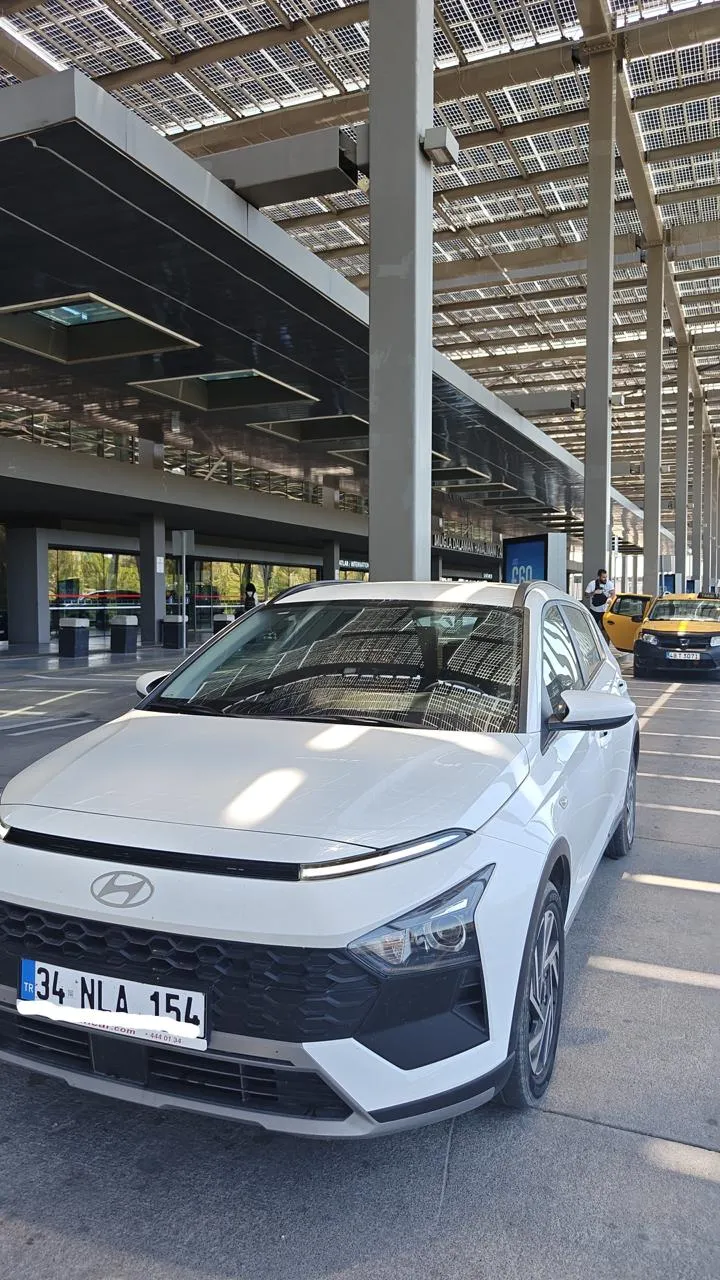
Hyundai Bayon in der Türkei
Das Auto war in einem hervorragenden Zustand, außen und innen sauber. In den Einstellungen des Navigationsgeräts ist die russische Sprache unterstützt. Der Tank war leer, aber 3 km vom Flughafen entfernt gab es eine Tankstelle. Die Klimaanlage funktionierte einwandfrei. Ein Mitarbeiter des Unternehmens kontaktierte mich über WhatsApp, der gesamte Chat verlief auf Englisch. Wir trafen uns am Ausgang des Flughafens Dalaman, wo wir auch den Mietvertrag abschlossen. Der Vertrag war auf Türkisch und Englisch verfasst. Es gab keine Fotodokumentation, aber man kann eventuelle Schäden selbst festhalten. Die Rückgabe des Fahrzeugs erfolgte ebenfalls am Flughafen. Die Mautgebühren wurden bar bezahlt. Der Mitarbeiter hat das Auto kurz begutachtet und es, da keine Schäden vorlagen, schnell abgeholt. Ein gutes Unternehmen, das ich weiterempfehle.
Skoda Superb in der Türkei
Alles ist großartig. Ich habe das Auto geliebt. Die Bedingungen und die Schnelligkeit sind erstklassig. Ich danke Ihnen.
Peugeot 301 in der Türkei
Es war kein Peugeot, es war ein Fiat. Und die Tatsache, dass sich der Kofferraum im Auto nicht öffnen ließ, bereitete uns eine Menge Probleme!
Hyundai i20 in der Türkei
Ich mochte alles an ihm.
Fiat Egea in der Türkei
Insgesamt lief es gut. Auf der Fahrerseite gab es einige Unstimmigkeiten.
Ford Courier in der Türkei
Insgesamt eine gute Erfahrung, allerdings nicht ohne Lokalkolorit. Angesichts der niedrigen Preise kann man verzeihen. Das Auto, natürlich, war anders, aber OK. Sie baten mich, es früher zu nehmen, ich stimmte unter der Bedingung zu, dass sie mir beim Parken helfen würden (es war im Zentrum von Istanbul). Ein türkisch sprechender Mann kam, gestikulierte, dass ich Probleme beim Einparken hätte und ging wieder, ich musste das Problem selbst lösen. Es war gut, dass es keine Probleme mit dem Wechselgeld am Flughafen gab.

Opel Corsa in der Türkei
Wir hatten keinen Opel, wir haben einen Renault bekommen. Alles hat gut geklappt, das Auto hat mich nicht im Stich gelassen, es gab keine Probleme bei der Annahme und Übergabe des Autos. In Zukunft werde ich mich auf jeden Fall wieder bewerben. Herzlichen Dank dafür!

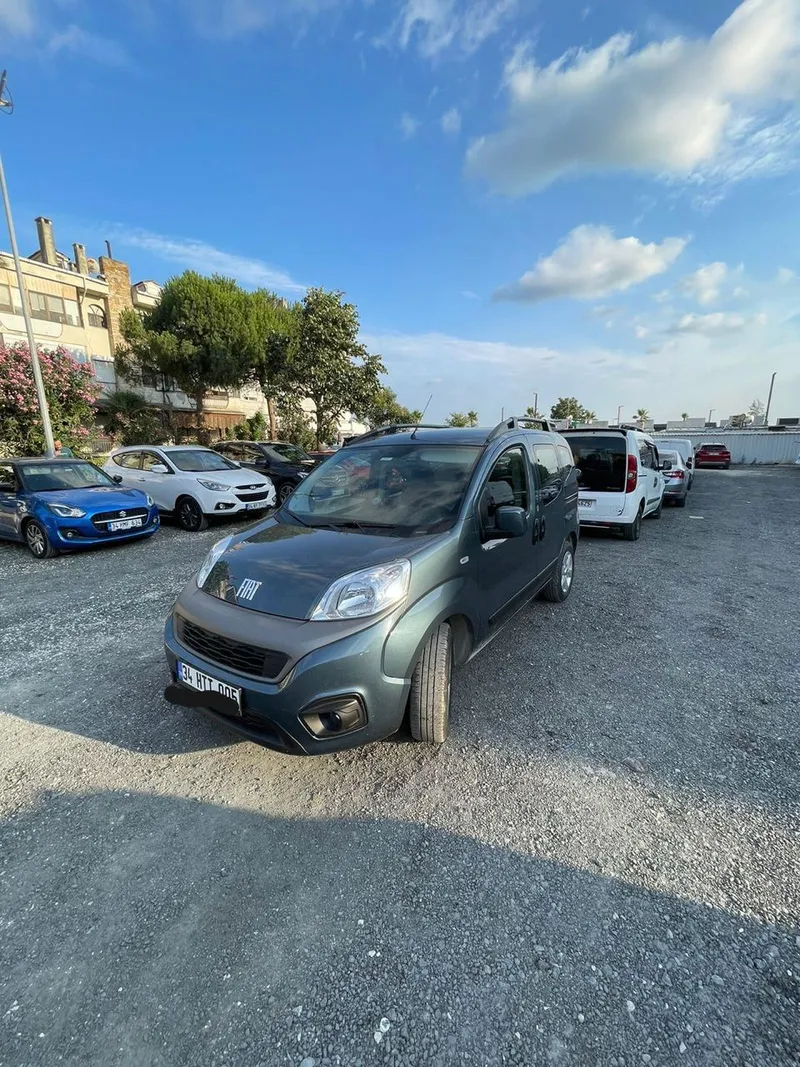
Fiat Fiorino in der Türkei
Alles ist gut gelaufen, wir hatten nur Probleme, einen Vertreter des Unternehmens am Flughafen zu finden. Ansonsten war alles gut. Das Auto ist neu, in ausgezeichnetem Zustand. Ich werde die Dienste wieder nutzen.
Renault Megane Sedan in der Türkei
Im Grunde ging alles gut, das einzige, was ist, dass nicht sehr bereitwillig der Fahrer, der uns nahm das Auto vom Flughafen abholen, sprach Englisch, aber alles andere ist im Grunde gut, und auch, das Auto war nicht sehr sauber, aber im Allgemeinen, das Preis-Leistungs-Verhältnis, war ich mit allem zufrieden.

Renault Megane Sedan in der Türkei
Alles ist super gelaufen! Ich bin zufrieden mit dem Auto, der Arbeit der Mitarbeiter und dem Service im Allgemeinen!

Fiat Egea Multijet in der Türkei
Das Auto, das ich bekommen habe, war wirklich gut, kein Problem für die ganze Reise und der Verkäufer, von dem ich das Auto gemietet habe, war auch sehr hilfreich.
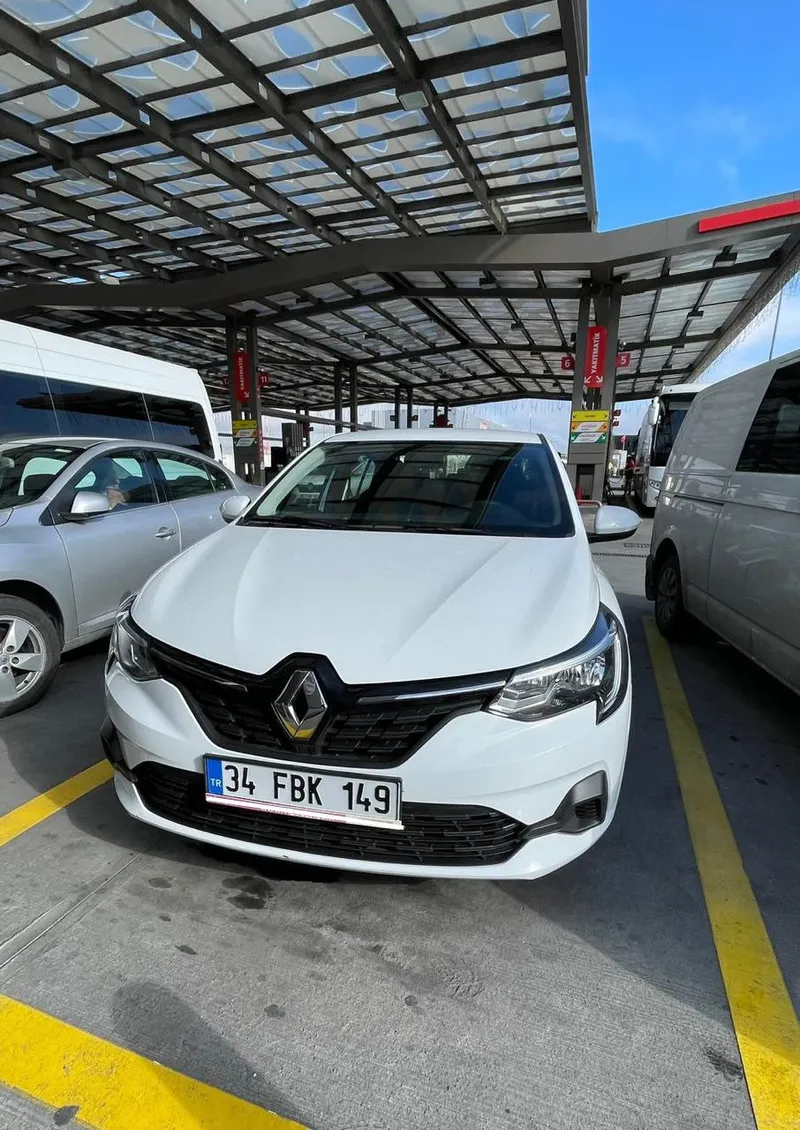
Renault Megane Sedan in der Türkei
Vor der Einfahrt in den Parkplatz der Autovermietung kam es zu einem unverschuldeten Verkehrsunfall. Und in diesem Zusammenhang haben mir die Mitarbeiter des Unternehmens 1.000 Dollar in Rechnung gestellt und kein Europrotokoll ausgefüllt. Tatsächlich haben sie betrügerisch gehandelt, weil sie keine Schecks ausgestellt haben.
Ford Focus in der Türkei
Nun, im Allgemeinen war das Auto nicht das, was ich gebucht hatte, sie gaben mir einen Hyundai Akzent anstelle eines Ford Fokus, aus irgendeinem Grund scheint es mir, dass es von einer niedrigeren Klasse als der Fokus ist, wenn ich gewusst hätte, dass es durch ihn ersetzt werden würde, hätte ich nicht gebucht, aber weil ich schon abreisen musste, musste ich den Akzent nehmen, aber so ist alles gut! Reifen waren verschiedene Hersteller und mit verschiedenen Mustern auf der gleichen Achse hinten, nicht wirklich kritisch natürlich, wir haben es gut hinbekommen, aber trotzdem, es ist nicht bis zum Standard
Wo abholen
Istanbul hat zwei große Flughäfen, beide mit voller Mietflotte. Einfache Regel: holen Sie dort ab, wo Sie landen. Ein Wechsel zwischen den beiden braucht 1–2 Stunden im Verkehr und frisst jede Tagespreis-Ersparnis auf.
IST (europäische Seite)
Hauptflughafen des Landes und Hub von Turkish Airlines, 50 km westlich des Zentrums. Nach Sultanahmet oder Taksim 50 km auf der europäischen Autobahn, eine bis anderthalb Stunden im Verkehr. Jede große Kette plus Dutzende lokaler Anbieter im Terminal. Preise leicht über Sabiha.
SAW (Sabiha Gökçen, asiatische Seite)
Hub von Pegasus und AnadoluJet, mit den meisten Billigflügen aus Europa. 50 km vom europäischen Zentrum, aber nur 25 km von Kadıköy auf der asiatischen Seite. Nach Sultanahmet 50–80 Min außerhalb der Stoßzeit über Eurasia-Tunnel oder Bosporus-Brücke. Economy ab $18/Tag — im Schnitt 5–10% günstiger als IST.
Ein Gast landete um 22:40 in IST und versuchte, einen $4 günstigeren Tarif in SAW zu erwischen. Um 00:30 stand er auf der Bosporus-Brücke fest — der Anbieter drüben schloss gerade, die Ersparnis war im Stau verbrannt.
Wir empfangen Sie nach Flugnummer am Ankunftsausgang an beiden Flughäfen — kein Shuttle, kein Transfer.
Was es in Istanbul kostet
Istanbul ist viel weniger saisonal als die Küste. Die Lücke zwischen Winter und Sommer beträgt 25–30%, nicht die Verdopplung wie in Antalya oder Bodrum. Günstigster Monat: Februar (ca. $19/Tag im Schnitt auf SAW); niedrige Preise von November bis Januar. Teuerste Phase: Juni–August, wenn Familien aus dem Golf eintreffen und schnell die Minivans und SUVs leer fegen.
SAW vier bis sechs Wochen im Voraus buchen — der Preis hält. Wer im Juli ohne Reservierung landet, zahlt 30–50% über dem regulären Tarif, samstagmorgens manchmal mehr.
Richtwerte 2026: Economy auf SAW ab $18–25/Tag, IST 5–10% höher; Kompakt $30–45, Mittelklasse $36–50, Premium ab $51, Familien-Minivan $60–110 Nebensaison und $100–160 im Sommer. Monatsmiete ungefähr halber Tagespreis.
Eine achtköpfige Familie landete Ende Juli ohne Reservierung in SAW. Um Mitternacht war in der Stadt kein freier Minivan mehr zu haben. Sie nahmen zwei Limousinen und ließen einen Teil des Gepäcks im Hotel.
Voucher enthält meist Tagespreis, Basis-Versicherung, Flughafenzuschlag, optionale Vollkasko ohne SB, Jungfahrer-Aufschlag und Einwegmiete bei Rückgabe woanders. HGS und Bußgelder werden nach Rückgabe berechnet.
Die Tarife in Istanbul variieren je nach Saison und Mietdauer.
- Januar
- Februar
- März
- April
- Mai
- Juni
- Juli
- August
- September
- Oktober
- November
- Dezember
- Jan
- Februar
- März
- Apr.
- Mai
- Jun
- Jul
- Aug
- Sep
- Okt.
- Nov.
- Dez.
 Wie teuer ist es, in Istanbul einen Wagen zu mieten: durchschnittliche Tagesraten für eine einwöchige Autovermietung, über alle Fahrzeugklassen.
Was Sie bei uns bekommen

-
Verifizierte Bewertungen für jedes einzelne Auto
Sie sehen, wie sich genau dieser Renault Clio oder Hyundai i20 bewährt hat — nicht nur die Durchschnittsbewertung des Anbieters.
-
Der Preis im Voucher ist der Preis, den Sie zahlen
Alle Steuern, Basis-Versicherung und Flughafengebühr bereits enthalten — keine Neuberechnung am Schalter.
-
Kostenlose Stornierung bis 7 Tage und direkte Kommunikation mit dem Anbieter
Übernahmezeit und genauer Treffpunkt an IST oder SAW werden mit der Person abgestimmt, die Sie abholt.
Was Sie zum Fahren in Istanbul wissen sollten
Istanbul liegt durchgehend in den globalen Top fünf für Stau. Fahrer wechseln Spuren schnell und ohne Blinker, Motorradkuriere fädeln zwischen stehenden Autos durch. Die engen Gassen Sultanahmets, Beyoğlus und Kadıköys machen Parken zur zweiten Herausforderung.
Stoßzeiten und die richtige Karte
Morgens 07:30–10:00, abends 17:00–21:00. Freitagnachmittage und Samstage ab 14:00 sind besonders dicht. Einheimische empfehlen Yandex Maps — die Stauvorhersage ist schärfer als bei Google Maps oder Waze.
Ein Gast stellte das Auto um 18:10 im İSPARK an Sirkeci ab und stieg auf Marmaray um. Sirkeci–Kadıköy in 15 Minuten unter Wasser; über die Brücke wäre es zu der Zeit eine gute Stunde gewesen.
Parken
Das städtische İSPARK-System deckt das meiste Zentrum ab: Parkhäuser, Flächen, Straßenrand. App zeigt Verfügbarkeit, akzeptiert ausländische Karten (~₺25–80/Stunde). Hotels in den engen Sultanahmet-Gassen verlangen $15–30/Nacht für Valet. Die Prinzeninseln sind autofrei: parken Sie an Kabataş oder Bostancı (₺40–80/Tag) und fahren mit der Fähre weiter.
Häufige Fragen
Für das historische Zentrum meist nicht. Sultanahmet, Beyoğlu und Galata sind kompakt und zu Fuß; Marmaray, T1-Tram und Bosporus-Fähren schlagen jede Fahrt im Stau. Ein Mietwagen verdient sich in drei Fällen: Roadtrip raus, langer Aufenthalt (über einen Monat) oder Tagestour zur Schwarzmeerküste (Şile, Kilyos, Polonezköy).
Dort, wo Sie landen. Beide Flughäfen mit voller Flotte, Preisunterschied nur 5–10%. SAW im Schnitt etwas günstiger, praktisch für die asiatische Seite; IST ist der Turkish-Airlines-Hub. Wechsel zwischen den Flughäfen kostet 1–2 Stunden im Stau.
Zu Sultanahmet und Taksim sind beide ungefähr gleich — 50 km. IST über die europäische Autobahn (1–1,5h im Stau); SAW über Eurasia-Tunnel oder Bosporus-Brücke (50–80 Min außerhalb der Stoßzeit). Zu Kadıköy auf der asiatischen Seite ist SAW deutlich näher — 25 km / 30–45 Min.
Die meisten Sultanahmet-Straßen sind Fußgängerzone oder gesperrt. Nutzen Sie İSPARK am Sultanahmet-Platz, in Sirkeci und Eminönü — pro Stunde ₺25–60. Viele Hotels in der Altstadt bieten Valet-Parken für $15–30/Nacht. Bei reinem Sightseeing-Aufenthalt lassen Sie das Auto besser in der Flughafenfiliale und holen es erst am Abreisetag.
İSPARK ist Istanbuls städtisches Parknetz: Parkhäuser, Flächen und Straßenrandzonen. Laden Sie die İSPARK-App oder zahlen Sie an der Kasse bar oder mit Karte. Die App akzeptiert ausländische Karten, zeigt freie Plätze und Tarife je Zone (~₺25–80/Stunde).
Morgens 07:30–10:00 (Pendlerverkehr über die Brücken), abends 17:00–21:00. Freitagnachmittage und Samstage ab 14:00 besonders dicht. Sonntage sind ruhiger, aber Bosporusufer und Touristenviertel bleiben bis abends voll.
Einheimische empfehlen Yandex Maps — das Routing mit Staulage ist schärfer als Google Maps oder Waze. Google funktioniert für allgemeine Navigation, aber die ETAs hinken hinterher. Laden Sie Offline-Karten als Backup, besonders für Fahrten am Bosporus oder zur Schwarzmeerküste, wo der Empfang abreißen kann.
Nein — Autos sind auf allen vier Inseln (Büyükada, Heybeliada, Burgazada, Kınalıada) verboten. Parken Sie an Kabataş (Europa) oder Bostancı (Asien) — ₺40–80/Tag — und fahren mit der Fähre 30–45 Min weiter. Auf den Inseln Fahrräder, E-Karren oder zu Fuß.
Ja — die nützlichsten Tagestrips aus der Stadt. Şile am asiatischen Schwarzmeer-Ufer, ~70 km / 1,5h. Kilyos am europäischen, ~35 km / 1h. Polonezköy ist ein Walddorf ~30 km / 1h. Keiner hat guten ÖPNV, deshalb zahlt sich ein Mietwagen aus.
Zwei Routen. Eskihisar–Topçular-Fähre dauert eine Stunde mit Auto plus eine Stunde Fahrt — ca. 2,5 Stunden insgesamt, malerisch, ca. ₺200. Die O-7 über die Osmangazi-Brücke ist ca. 3 Stunden (₺290 Brücke plus weitere Maut), schneller, aber teurer. Im Sommer früh buchen.
Möglich, aber lang: ~700 km / 9–10 Stunden einfach über Ankara. Die meisten fliegen — Pegasus und Turkish Airlines aus IST oder SAW nach Nevşehir (NAV) oder Kayseri (ASR) ab $30–60. Wenn Sie fahren, üblich mit Übernachtung in Ankara. Einwegmiete in Kappadokien +$100–250.
Ja — die meisten lokalen Anbieter und Ketten bieten Langzeitmiete mit 30–50% Rabatt. Richtwerte 2026: Economy ab $450/Monat, Mittelklasse $600–900, SUV $900–1.500. Bis 90 Tage genügen Pass und ausländischer Führerschein; länger ggf. türkische Aufenthaltserlaubnis.
Ja — die meisten lokalen Istanbuler Anbieter liefern. In die engen Sultanahmet-Gassen meist $10–25; in Taksim, Beyoğlu oder Beşiktaş kostenlos oder $5–15. Internationale Ketten liefern selten in die Altstadt — bei den Ketten am Flughafen oder Innenstadt-Filiale abholen.
Ja — beide Flughäfen sind im Istanbuler Großraum, die meisten Anbieter integrieren den Tausch oder verlangen kleine Einwegmiete-Gebühr $20–50. Häufiger Fall: Ankunft mit Turkish Airlines auf IST, Abflug mit Pegasus ab SAW. Früh buchen.
Wenn Sie Tagestrips nach Şile oder Polonezköy planen oder mit der Fähre nach Bursa wollen — ja. SAW ist viel näher (25 km vs 50). Für das europäische Zentrum schlägt Marmaray das Auto: 15 Minuten Kadıköy–Sirkeci. Auto eher fürs Drumherum als fürs Zentrum.